
Food companies can apply to become a company criteria user. The company receives the right to use the international Choices criteria for its nutrition policies and actions and to refer to these criteria in public.
Company policies for product reformulation, innovation, marketing and communication are much more credible when they are based on independent criteria that indicate which food products are most suitable to contribute to a healthier diet. And which products do not.
The criteria usership comes with an annual license fee.
Examples of Choices criteria users are the global retailer AholdDelhaize and the global service provider for the investment community MSCI. Please see our presentation and for more details contact us to discuss how this proposition can be tailored to your company.
In addition to the right to use the criteria, the Choices experts are ready to advise the company in the understanding and application of the criteria by means of training and consultancy. This service can also include advice on participation in existing national logo programs. The costs for these services will be invoiced on an hourly base.
Please contact us for more information.
If products need not only to be assessed according to the Choices criteria but also administered or officially certified, the Choices assessment tool can be a solution.
This tool is made up of a database and a computerized assessment of food products with the international Choices criteria or any of a comparable criteria set.
Products can be submitted in the database manually or automatically. If required, a formal certificate can be produced if a product complies with the criteria. The product data are stored for monitoring and research purposes.
The assessment tool is password protected and is available in English and Mandarin.
For more information, please contact us to discuss how this assessment tool can serve your company.
The Choices Programme privacy policy explains how we use any personal information we collect about you when you use this website and our wider services, it can be viewed here.
Although many countries have established a series of evidence-based guidelines for a healthy diet, the assessment of individual food products in terms of their health properties remains controversial. As a consequence, consumers are often left without a clear guide when choosing what food products to buy to maintain a good state of health. Making the healthy choice the easy choice is a priority for our organization. It means making safe and healthy food and beverage products desirable by consumers and available on the market, at an affordable price.
We act as a food system innovator, in collaboration with all leading players in the food system: governments, food companies, scientists, and NGOs. By connecting and facilitating cooperation among the latter, we accelerate the transition to healthier societies in any country where we operate.
More specifically:
Small and medium companies, in particular, find it challenging to meet the increasing demand for healthy food products from consumers and thought leaders worldwide. They feel a growing pressure to facilitate the transition to healthier diets, but since they are not perceived as a credible source of health-related information, their ability to promote healthy changes is often limited.
The challenges posed by the nutrition transition are too massive to be solved by individual organizations, generating a clear need for collaboration among all actors involved in the food system.
Many governments and food companies are unsure about the best strategies that should be applied to improve the food system. They are afraid of making mistakes and bear the blame for the possible consequences.
Choices International makes it possible to overcome this inertia and enable solid decision to turn the current nutritional recommendations into actions to apply them in practice.
Get in touch with our secretariat today and discover how you can become a member of our organization or start a national program in your country.
In Africa, Choices International currently operates in three countries: Nigeria, Ghana, and Zambia. A secretariat based in Lagos, Nigeria coordinates all activities in the continent.
In Nigeria, we partner with the Nigerian Heart Foundation (NHF) on their Front-of-Pack (FOP) labeling, the heart logo which is adapted based on our international Choices criteria. Also, we are a corporate member of the Nutrition Society of Nigeria (NSN). We are currently exploring the possibility to support the National Home Grown School Feeding Program (NHGSFP) in Nigeria to improve the nutritional value of school meals and food available in the school environment. We are supporting WFP Zambia on public-private collaboration and the Good Food logo launch, a joint initiative with the government of Zambia. In Ghana, we are collaborating with Sight and Life on the Obaasima initiative, a project developed by ‘Affordable Nutritious Foods for Women (ANF4W).
We want to reach out to more countries in Africa to seek collaborations with scientists, governments, food industries, and other relevant organizations. The Secretariat provides guidance and training in the development of national criteria and how these criteria can be used in national nutrition policies such as foods offered in school canteens, marketing and health claims regulations, and fiscal promotion (demotion) of (un)healthy foods. To the industry, we provide training and guidance on the use of the criteria in the positioning, promotion, and reformulation of processed foods and as a foundation of the corporate nutrition and sustainability policy.

Semnen R. Lambert, MD
Semnen is the representative and consultant for Africa. She is a medical doctor with a master's specialization in International Public Health. Based in Lagos, Nigeria, her job will be to act as a liaison between Choices based initiatives in Africa and the global secretariat. This includes collaborating with existing national programs to foster healthier food choices to relieve the double burden of malnutrition. Also, she supports new initiatives in Africa to promote healthier food.
Although she is coming from conventional medicine which focuses on disease treatment, she has a passion for preventive medicine. She believes that with the current epidemiological transition, changes in causes of mortality, there should be more emphasis on preventive medicine to address these changes in diet consumption habits, lifestyles, etc.
Contact: LinkedIn
Nigerian Heart Foundation
Choices started its work in Africa a few years ago, with collaboration with Nigeria to aid consumers to make healthier choices through their food labeling criteria with the Nigerian Heart Foundation (NHF). The NHF is a non- profit and non- governmental organization that promotes heart health, scientific research in cardiovascular health, healthy lifestyles, and advocacy on heart issues. We have Dr. Kingsley K. Akinroye a Cardiovascular health physician and Executive Director of the NHF on our international board. In 2018, we co-organized with the NHF a meeting with relevant stakeholders working in the fields of both malnutrition and NCD prevention in Nigeria. Some organizations that participated include the National Agency for Food and Drug Administration and Control (NAFDAC), Customer Protection Council (CPC), and Friesland Campina WAMCO Nigeria Limited. Since then, we have worked on several initiatives together.
For more information on the NHF: Website
In April 2020, Choices had a stakeholder discussion with the NHGSFP and private sectors on improving child nutrition in the program. The meeting concluded that there is a challenge to meet the micronutrient requirements for school children merely through homegrown meals. School meals may need to be complemented by fortified food products as biofortification or fortification of local products are often impossible and expensive
Also, there is a need to include upper limits for saturated fats, trans fats, salts, and sugars to provide clear guidelines. Currently, the NHGSFP does not have a lot of processed foods, only high energy biscuits, but is looking at the possibility to encourage the inclusion of fortified foods that are locally grown. Consequently, the program will consider factors that will ensure that processed foods are nutritious

Choices have created a platform for the younger generation of nutritionists in Africa to contribute to addressing nutrition challenges in the continent. We believe the younger generation in Africa may have to bear the consequences of the rising prevalence of the double burden of malnutrition, it is imperative that they are part of finding the solutions and overall ensuring a better future for the continent. Our main objectives are: (1) To provide an interactive platform for young scientist in Africa to exchange knowledge through webinars and discussions (2) To build skills and acquire knowledge through training (3) To support young scientist in gaining experience in nutrition by providing volunteering opportunities, competitions, advocacy, etc.
We presently have almost 200 members from Nigeria, Kenya, Ghana, Rwanda, Uganda, and Mozambique. Choices will continue to grow this community and engage with these young scientists in Africa to exchange ideas on how to tackle the double burden of malnutrition in Africa.
To be a member of the Choices African Nutrition Community: Join our Facebook Group
Choices led a series of four studies on the implementation of the international recommendations of the double burden of malnutrition in Nigeria, Zambia, Indonesia, and Kenya. The aim of the study was to provide insight into the national food and nutrition policies to prevent the double burden of malnutrition. The study concludes that there is a lack of expertise and political priority to address nutrition issues. Also, proposed solutions should be locally contextualized so as to be effective and sustainable.
For a summary of the results of this study:
The report can be downloaded here: Link
Choices sponsored a symposium in the plenary session at the Federation of African Nutrition Societies (FANUS) conference in Kigali, 26-29 August, 2019. It positioned the Double Burden of Malnutrition (DBM) as increasingly becoming prevalent in the continent and calls for actions to be taken to address this problem. The symposium was attended by more than 400 nutrition experts in Africa. Speakers at Choices symposium were the Prof. Ngozi Nnam, the President of FANUS, Dr. Kingsley Akinroye, Executive Director of the NHF, Raphael Siwiti from WFP and Rutger Schilpzand, the MD of Choices International
For more information:
The first focal country of the Choices study on the Double Burden of Malnutrition was Nigeria. Choices African representative, Semnen Lambert, MD, has executed this study on the implementation of the international recommendations of the double burden of malnutrition in Nigeria. She has presented the results at the Nutrition Society of Nigeria (NSN) conference at 12 September 2019, Abuja, Nigeria. The NSN Annual Conference is the largest gathering of stakeholders in nutrition in Nigeria.
This study yielded informative and elucidating insight into recommendations by international organizations on addressing the DBM on a national level. Furthermore, the information from stakeholder investigation in Nigeria showed that additional efforts are required for a successful implementation of these policies.
For summary of the results of this study:
For conference declaration: Download here
The secretariat coordinates all the activities of our organization on global and regional level and implements the communication strategies of the Choices International Programme. The team is composed of experts in nutrition, communication and partnerships.
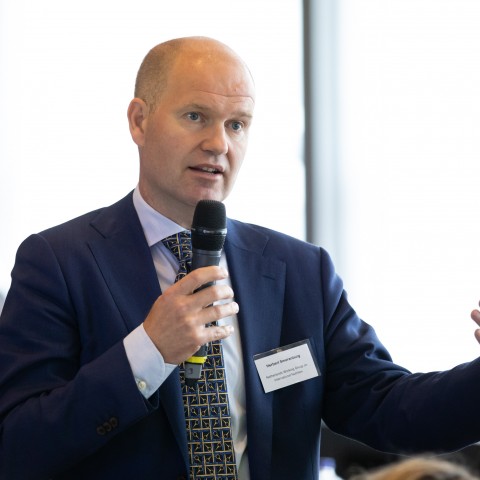
Dr. Herbert Smorenburg succeeded Rutger Schilpzand as Choices' Managing Director in January 2021. Herbert has worked directly or indirectly with Choices since the early days of Choices. Herbert started his career at Unilever where he worked for 17 years in product development and nutrition & health. His last positions were Nutrition and Health Director Europe and Director Unilever Health Institute Africa, for which he was based in Ghana and South Africa. He joined The Global Alliance for Improved Nutrition as Senior Manager of the Netherlands office in 2014. In the past 23 years, he has been building bridges between private and public organizations in developing and developed markets, all partnerships with a focus to improve the food system for healthier diets.
Herbert holds an MBA from the Rotterdam School of Management (Erasmus University Rotterdam) and a Ph.D. in physics (Delft University of Technology).

Bobbie Garratt is the Executive Assistant at Choices International. She coordinates the website, the Newsletters and takes care of the team.
The scientific criteria, that differentiate between more and less healthy products, are the cornerstone of the Choices way of working. The International Scientific Committee is the custodian of these criteria and is responsible for the regular revision, every four years, to cater for new developments in consumer habits, food science and product reformulation.
The International Scientific Committee is formed by a group of leading independent scientists in nutrition, food science and consumer behaviour. The committee is independent and autonomous.

Dr. Annet JC Roodenburg (PhD Nutrition) has been Associate Professor Nutrition and Health at HAS University of Applied Sciences, in Den Bosch/Venlo, The Netherlands since 2010.
She worked for 16 years in the food industry as a nutrition scientist on the scientific approach towards healthier foods and responsible communication in order to help consumers to make healthier choices.
Current research focus: foods, consumers, and food producers on topics such as nutrient profiling and food labelling, reformulation and food data, product development for specific target groups (elderly), tools for chefs in food service.

Lauren Lissner is a Professor in Epidemiology at the School of Public Health and Community Medicine, Sahlgrenska Academy, University of Gothenburg, Sweden. She has a Master's degree in Public Health from the University of California and a Ph.D. in Human Nutrition from Cornell University.
Prof. Lissner has been living in Sweden since 1989. During this time, she has been Director of the EpiLife Research Center at the University of Gothenburg, has served as Chair of the Public Health and Prevention Task Force of the European Association for the Study of Obesity, and has been President of the Swedish Association for the Study of Obesity. She joined the International Scientific Committee of Choices in 2016 and has chaired this group since 2018. Prof. Lissner has published around 400 scientific publications.

Professor Ngozi Nnam is a Professor in Community and Public Health Nutrition affiliated to the Department of Home Science, Nutrition and Dietetics, University of Nigeria, Nsukka, Nigeria.
Her area of specialization is Community and Public Health Nutrition, with a special interest in nutrition of women and children, particularly about how to tackle malnutrition. Her expertise includes the use of locally available food crops, the improvement of the nutritional qualities of plant foods to increase utilization and production. She is also an expert in the development, documentation as well as chemical and biological evaluation of locally-available food products, especially complementary foods.
After completing a Ph.D. program in Human Nutrition, Prof. Nnam joined the University of Nigeria in Nsukka, where she later became Professor in Community and Public Health Nutrition. She has served as Head of the Department of Home Science, Nutrition and Dietetics for five years. In 2007 she was awarded the title of outstanding Head of Department in the Faculty of Agriculture, University of Nigeria, Nsukka. Prof. Nnam is currently the President Federation of African Nutrition Societies. She is also a Trustee of the African Nutrition Society and the e-Nutrition Academy and Nutrition Society of Nigeria. Prof. Nnam has served as Dean of the Faculty of Agriculture at the University of Nigeria in Nsukka, as President of the Nutrition Society of Nigeria, and as Chair of the Civil Society Platform of the Scaling Up Nutrition movement in Nigeria.
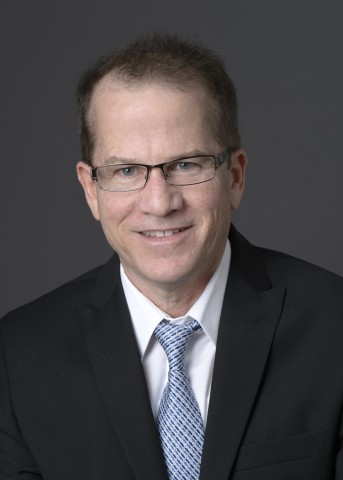
Bruce Hamaker is Distinguished Professor of Food Science at Purdue University, West Lafayette, Indiana. He also holds the Roy L. Whistler Chair and is Director of the Whistler Center of Carbohydrate Research. He has an M.S. in Human Nutrition and PhD in Food Science from Purdue University, and post-doctoral study through Johns Hopkins University at the Instituto de Investigación Nutricionál in Lima, Peru.
Prof. Hamaker's research is in the area of food carbohydrates and proteins with applications related to topics of processing, nutrition, health and wellness. He has been and continues to be active in international research collaborations in Africa, Asia and Latin America; and particularly in development-oriented research and applied programs in West and East Africa. He has over 265 refereed publications in food science, human nutrition, biochemistry and microbiome research. He has advised about 70 M.S and PhD students and over 25 post-doctoral scientists. He joined the International Scientific Committee in 2020.
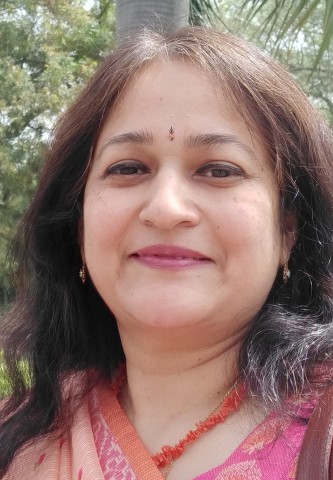
Dr. Pulkit Mathur is a Professor and Head of the Department of Food and Nutrition and Food Technology at Lady Irwin College, University of Delhi. She has 25 years of research and teaching experience. Her research interests include food safety, nutrient profiling, diet quality, eating behaviour, and understanding barriers and facilitators to healthy eating in different age groups. She has more than 100 publications in national and international journals, books, manuals, monographs, and periodicals to her credit.
She is a Member of the National Committee of the International Union of Nutritional Sciences and the National Executive Committee of the Nutrition Society of India. She is a National Resource Person for the Food Safety Training and Certification (FoSTaC) Program of the Food Safety and Standards Authority of India. She is a National Trainer for Nutrition under the National Adolescent Health Program of the Ministry of Health and Family Welfare, Government of India. She was a Member, National Task Force on ‘Balanced and Healthy Diets’, Directorate General of Health Services, Government of India. A gold medallist from the University of Delhi, she has been presented with a Certificate of Appreciation under the Professionals category of the Eat Right Awards (2018-2019) and a Certificate of Merit in recognition of her contribution and continued work as a leader in strengthening of the Food Safety Eco-system by the Food Safety and Standards Authority of India (FSSAI). She is also on the FSSAI Scientific Panel on Nutrition and Fortification.

Dr. Mário Roberto Maróstica Junior is a full professor at the Department of Food and Nutrition, Faculty of Food Engineering, University of Campinas (UNICAMP). Undergraduation in Food Engineering (2002), PhD in Food Science (UNICAMP, 2006), PhD stay in Leibniz Universität Hannover (2006), Pos-doc at UNICAMP (2007), Brazil. Professorship stay at Lund University (2009). Best PhD Thesis in Food Science in Brazil, 2007. Publications: 3 patents (2 licenced), around 200 publications, including papers in international journals, books and book chapters. Around 100 supervisions of undergraduation, graduation and pos-docs as the main supervisor. Research topics: bioactive compounds and their roles in health and disease prevention, focusing on obesity, inflammatory bowel disease, and cognition. Among the 1% most cited authors in the Dietetics field according to Clarivate. CNPq Research Fellow 1B. Associate Editor of Journal of Functional Foods.

Dr. Hidemi Takimoto is Director at the National Institute of Health and Nutrition, National Institutes of Biomedical Innovation, Health and Nutrition in Osaka, Japan. She has graduated Tokyo Medical and Dental University in 1991, and is a M.D., Ph.D. She is currently leading the government funded research project “Development of a novel Japanese nutrient profile model”, since 2023. She has contributed to governmental committees related to nutrition and health policy development, including the “Strategic Initiative for a Healthy and Sustainable Food Environment”.
The Board of the Choices International Foundation is composed of distinguished members from diverse professional backgrounds and regions around the world. Whilst the Board is ultimately responsible for the governance of the foundation, the International Scientific Committee operates independently and is responsible for the development and maintenance of the Choices criteria. The Chair of the International Scientific Committee serves as an advisor to the Board, ensuring a strong connection between science and governance.
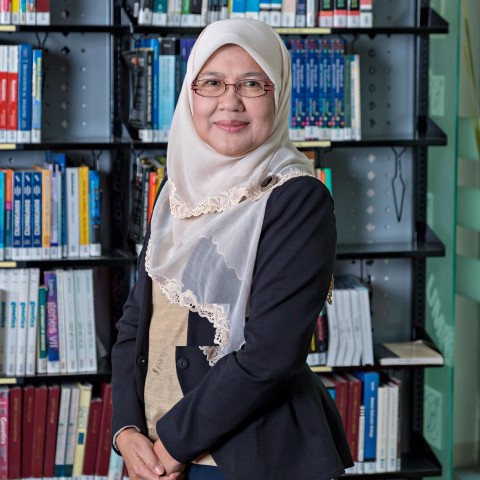
Rokiah Don is trained in Biochemistry/Physiology from the University of Westminster, London and in Community Nutrition from the University of Queensland, Australia.
She was formerly with the Nutrition and Dietetics Department at International Medical University (IMU), Kuala Lumpur. Prior to this, she was the Director of Nutrition Division in the Ministry of Health Malaysia and had served the Ministry of Health Malaysia for 35 years. As Director and Head of the nutrition profession in Malaysia, she has vast experience working inter-sectorally with various ministries, professional bodies, NGOs and food & beverage industries and collaboratively designed, developed, implemented, monitored and evaluated nutrition policies, strategies and activities to address nutrition and health-related issues in the country, especially double burden malnutrition. She chaired and participated in many technical committees for nutrition and health-related program development and the formulation of Policies/Curriculum/Guidelines/Standard Operating Procedures for nutrition/health.
She was a Council Member and is a Fellow of the Nutrition Society of Malaysia. She has been a Temporary Advisor to and worked with WHO and UNICEF, especially in the field of infant and young child nutrition. She has, for several years, led the Malaysian Delegation for participation at the Codex Committee on Nutrition and Foods for Special Dietary Uses (CCNFSDU) Meeting at the international level. Due to her tremendous contributions to the development of nutrition, locally and globally, she has been honoured with several excellent service awards from the government of Malaysia.

Ben Ogunmoyela obtained a BSc (Hons) in Agricultural Biochemistry and Nutrition at the University of Ibadan, Nigeria, and later the MSc and PhD degrees in Food Technology from the University of Reading, United Kingdom. He also attended the Lagos Business School as a member of the AMP-7 Class in 1997 and has attended many other leadership courses.
He was a Senior Research Officer and Head of the Crop Utilization Division at the Cocoa Research Institute of Nigeria in Ibadan, from where he moved to the University as a Lecturer. He was the Foundation Senior Lecturer and Head of the Department of Food Science and Technology, first at the University of Lagos, Abeokuta Campus, and later at the present Federal University of Agriculture, Abeokuta, where he rose to the position of Associate Professor before proceeding to industry. His industry sojourn of 15 years started in Cadbury, Nigeria, where he served in various capacities as Technical Manager, Purchasing Manager, and Business Manager in the Production Units for ten years. He was the Project Leader for the first voluntary fortification project for a chocolate beverage in Nigeria, which was launched in 1994, and is a renowned fortification expert who led the first national survey of large-scale survey of fortified foods in Nigeria, which formed the basis of far-reaching program reforms in 2015. He is a Certified ISO-9000 Lead Auditor and was Director of Quality Assurance at the Honeywell Flour Mills in Apapa, Lagos, where he championed the company’s efforts to develop its quality management system to become the first flour mill in Nigeria to be ISO-certified in 2005. He returned to the University system as a pioneer Professor of Food Science and Technology at Bells University of Technology, Ota, in 2006, where he was the maiden Inaugural Lecturer of the University and as the Dean of the Colleges of Food Sciences and the Postgraduate School for ten years. At various times, he was also Acting Vice Chancellor, University Orator, and Chairman of Ceremonials Committee, and pioneer Chairman of various Projects and Committees in the University. He retired at the mandatory age in September 2022 after a cumulative career of over forty-five years in research, academics, industry, and development to focus on giving back as President/CEO of his Consumer Advocacy for Food Safety and Nutrition Initiative, a Not-for-Profit Organization, which commenced activities in 2019.
He has chaired, facilitated, and participated in many technical committees for the development of food, nutrition, and health-related programs in and outside Nigeria, including participation in the International Meeting of the Codex Committee on General Principles, and has, in particular, also worked with GAIN and TechnoServe, as Senior Technical Advisor, in various programs for over 15 years. He has at various times been a Council Member of the Nigerian Institute of Food Science and Technology, NIFST, the Editor-in-Chief of the Nigerian Food Journal, NIFOJ, and a Fellow and Chairman of the Body of Fellows of the Institute. He is also an Emeritus Professional Member of the Institute of Food Technologists (IFT), USA. He is also the current Chairman of the Council of the Institute of Public Analysts of Nigeria, National President of the Society of Testing Laboratory Analysts of Nigeria, and Chairman of the Food Safety Expert Advisory Committee of the National Agency for Food and Drug Administration and Control, NAFDAC. He is a long-standing member of the Nutrition Committee of the Nigeria Heart Foundation, a long-standing Board Member of Valleumbra Flour Mills, Aba, AACE Food Processing and Distribution, Ota, Past Member of the Board of IACIU (the Institute for African Culture and International Understanding), the UNESCO Category 2 Institute at OOPL, Abeokuta, Nigeria, and a Past Chairman of the Board of Governors of the Supreme Education Foundation Schools, Lagos, Nigeria. He is also presently the Chairman of the FCCPC-Led National Task Force on Implementation of the ‘Guiding Principles for Sustainable Consumption’, and a long-standing Member of the National Fortification Alliance, presently serving as the Chair of the Country Working Group on Bouillon Fortification.
He is a recipient of several awards, including the NIFST Lifetime Achievement Award for contributions to the Development of Food Science and Technology, the FATE Foundation Volunteer of the Year Award, the Bells University of Technology Ota Award in acknowledgement of his contributions to the growth and development of the University, and the National Merit Award of the Government College of Ibadan Old Boys Association, Ibadan Nigeria. He is also an accomplished and widely cited author of over 70 peer-reviewed Journal publications, and apart from the ‘CAFSANI Consumer Pocket Guide on Food Safety and Nutrition’ which was launched during the last World Food Safety Day Celebrations in June this year, he has recently published his ‘Memoirs of A Cow Without A Tail’ on Amazon.
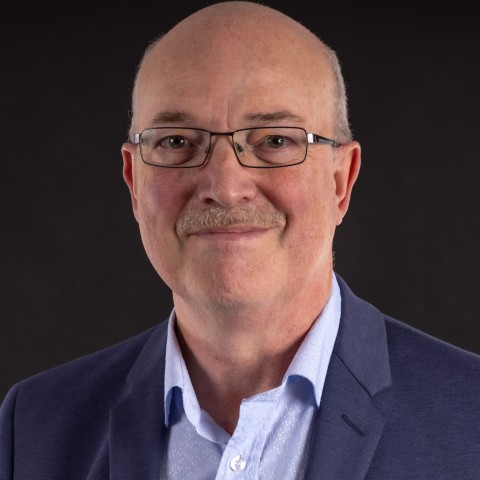
Prof. Dr Hans Verhagen has 40 years of experience in food safety and nutrition. He is a certified toxicologist and nutritionist. He worked at Universities (Nijmegen, Maastricht, Ulster, Copenhagen), in contract research (TNO), in industry (Unilever), for the national government (RIVM), and EFSA from 2015-2020. From 2006-2015 he was a member of the EFSA-NDA panel, working on health claims and novel foods. He is a professor at the University of Ulster (Northern Ireland) and at the Technical University Denmark (DTU, Denmark). Since 2020, he is owner and consultant of Food Safety & Nutrition Consultancy in the Netherlands (https://www.fsnconsultancy.nl/).
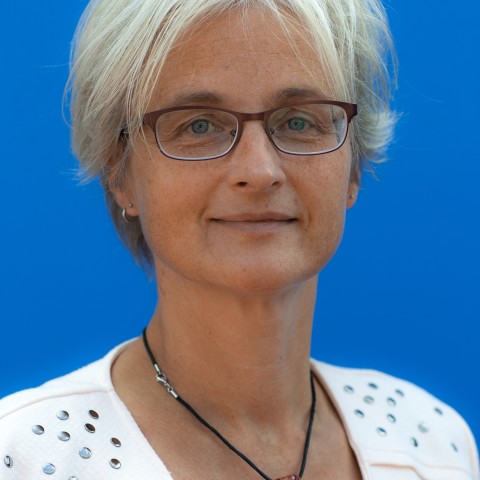
Annet JC Roodenburg (PhD Nutrition) has been Associate Professor Nutrition and Health at HAS University of Applied Sciences, in Den Bosch/Venlo, The Netherlands since 2010.
She worked for 16 years in the food industry as a nutrition scientist on the scientific approach towards healthier foods and responsible communication in order to help consumers to make healthier choices.
Current research focus: foods, consumers, and food producers on topics such as nutrient profiling and food labelling, reformulation and food data, product development for specific target groups (elderly), tools for chefs in food service.
To shape practical food & health policies, a differentiation is needed between healthy and unhealthy food products. Or better: between food products that do and those that do not contribute to a healthy diet. This difficult job is called nutrient profiling. Over the years, Choices has developed its own nutrient profiling methodology. This forms the basis of the Choices international criteria, as developed by the Choices International Scientific Committee.
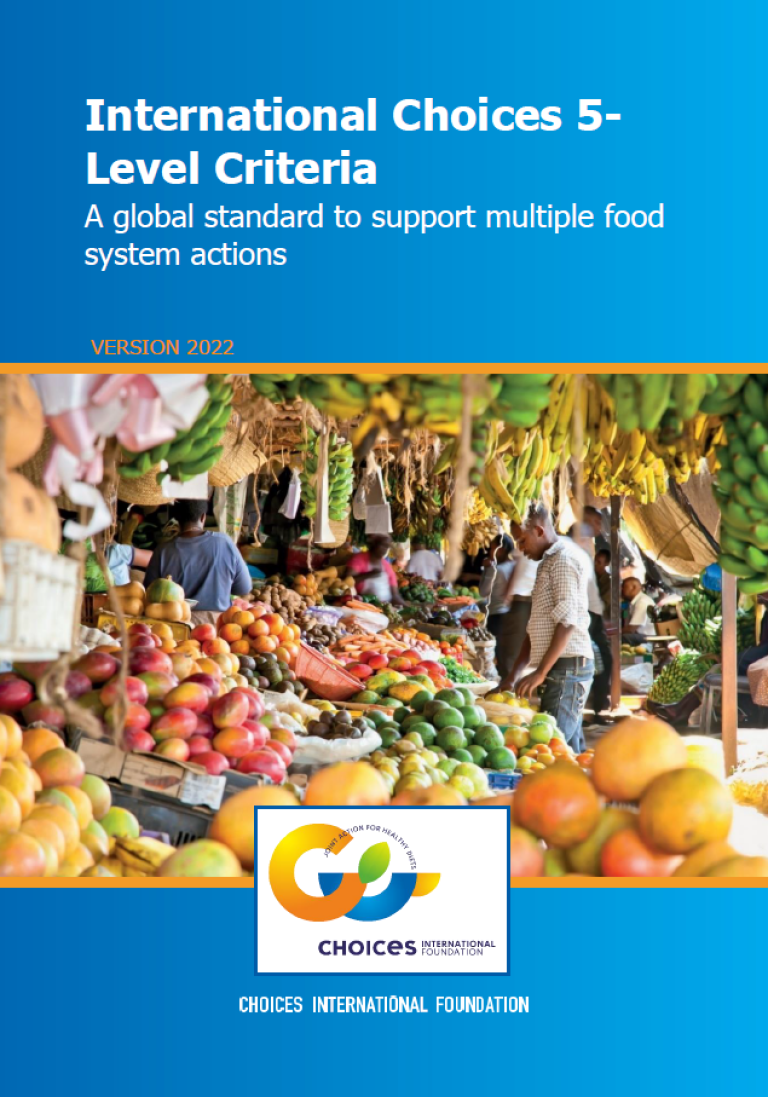
The Choices criteria are the result of the special Choices nutrient profiling method. They are used for different purposes. Companies use them to make their products healthier, national logo programs use them as a benchmark, health authorities use them as a standard for healthy food.
The criteria are unique and internationally respected because of the following characteristics:
The criteria are subject of constant improvement by means of the regular revision every four year. In that process the criteria are adapted to new consensus in food science and dietary recommentations, to new developments in product reformulation and food habits.
Besides, a new way of nutrient profiling has to be developed. The current nutrient profiles are focused on the prevention of life style diseases. Nowadays the double burden of malnutrition demands re-thinking of these profiles. Critical nutrients to address this double burden have to be added to the next generation of nutrient profiles.These new profiles can help health authorities, NGOs and companies to shape actions against the double burden. Choices collaborates with international organizations in the development of such new nutrient profiles.
Download the International Criteria here.
Download here.
Although healthy food is, or should be, a human right, this is not a daily reality for billions of people. Choices collaborates with many partners from different angles to create improvements, step by step
The Choices mission is to help shaping national food systems to make the healthy choice the easy choice for consumers.
The food system is a complex and complicated thing. Changing it demands a variety of actions, honest collaboration and a long term commitment.
Choices wants to improve daily diets by guiding consumers to find healthier products, guiding industry to improve their products and collaborating with food & health authorities to shape effective nutrition policies.
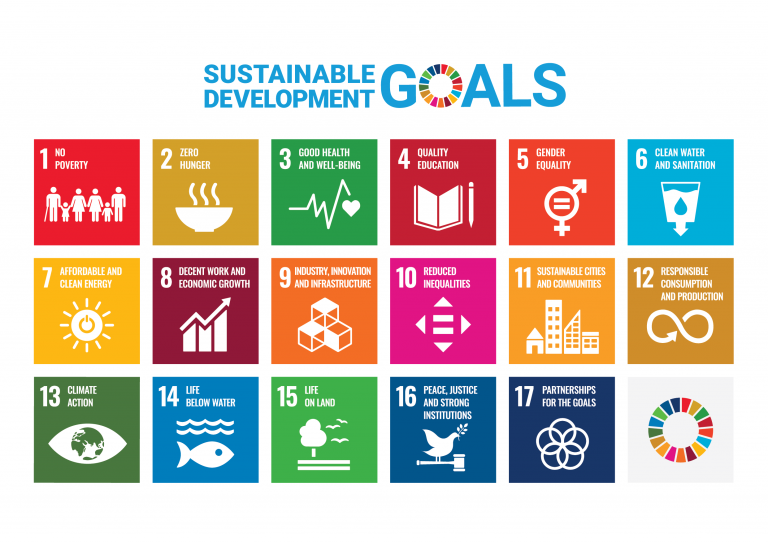
The UN Sustainable Developments Goals are the global agenda for a sustainable future: a healthy planet with healthy people. The one cannot do without the other.
Choices is part of this global movement and has committed itself to the SDGs. Aiming at a healthier diet, Choices wants in particular to commit to three specific SDG targets.
Target 2.2, the ambition to end malnutrition in all its forms
Target 3.4, to reduce premature deaths caused by non-communicable diseases
Target 17.17, the engagement in public-private partnershiups as a means to reach the SDGs.
The Choices International Foundation is a global organization that works primarily on a national level. It is independent and brings together people from government, science, industry and NGOs. Read here how we have organized ourselves.

The Choices International Foundation is governed by a global Board that guarantees the independence and credibility of the organization. The Board is chaired by an independent president.
The high quality of the international criteria is the major responsibility of the International Scientific Committee. This Committee is fully independent and consists of leading independent scientists in nutrition, food and consumer science from different areas of the world.

The International Secretariat executes and oversees the Choices actions in the different fields of work and the different regions. Working on global level, it is also engaged in the dialogue with international organizations like WHO and many others, as well as international food companies.

Choices International collaborates with stakeholders on a national level by means of its regional hubs. In three regions: East-Asia, Africa and Europe. These hubs bridge between national and global levels.
Choices operates through an East-Asian secretariat, based in Malaysia.
In Africa, Choices International operates through a regional secretariat based in Lagos, Nigeria, and the Choices African Nutrition Community. The actions focus on the double burden of malnutrition and national school feeding programs.
The European hub focuses on the nutrient profiling discussion in Europe and brings together the ten national positive logo programs in Europe. The European Scientific Committee consists of five creditable scientists in the field of health and nutrition.
Choices International has a network of established partnerships at the national level in different countries worldwide. Our organization facilitates the connection between the local government, the private sector, NGOs, and scientists. The aim is to increase the availability of healthy food products and their affordability, but also to make healthy food choices more desirable for consumers. We regularly analyze the progress made concerning the actions we agree with our partners. Our constant monitoring ensures a continued collaboration that brings a positive transformation of the national food system.

Food and health issues, although present worldwide, are shaped by national food cultures, legislation, politics, industry and more. And food is intertwined with society is many ways. This is why Choices wants to collaborate with experts from different sectors on national level. Such collaboration should be based on independent science to reach the greatest impact possible: a healthy diet within reach for everybody.

Science is a cornerstone for the functioning of Choices. This is illustrated through 3 aspects; concept development, implementation and monitoring & impact assessment. The development and periodic review of the international criteria is evidence-based and mapped and an excellent example of this science-based concept development. The independent International Scientific Committee is an example to reflect the importance of science in developing strategies for Choices. Each year, Choices collects and reviews the scientific studies that have been published on the impact of its work. Download the 2019 Scientific Overview.

Actions to improve nutrition, anywhere in the food system, need to be based on scientific criteria. This is also the case for food companies. Choices understands the power of the food industry to change consumer behavior. Product innovation, product positioning and communication have shown to be tools that can have a high impact. We challenge companies, both brand manufacturers and retailers, to use these tools for better nutrition. The Choices criteria are the compass to find the right direction.
Find out how Choices can help to attain your company’s nutrition & health goals by means of the criteria, with training and advice and with the Choices assessment tool.

In Africa, nutrient profiling based labelling and policies do not exist with the exemption of Nigeria’s Heart Logo. Choices advocates to policy makers, scientists and end users in selected African countries (Nigeria, Ghana, Kenya and Zambia) to increase the demand for nutrient profiling and engage them in the process of regional adaptation and application of nutrient profiling.

In East Asia, six countries have implemented positive Front-of-Pack (FOP) labelling. The discussion is on creating regional coherence and mutual recognition of FOP labelling systems and complementing these with other nutrition policies such as restricted marketing and taxation. Choices has helped many countries with the development of the FOP labelling and is involved in these discussions. We bring together the positive labelling countries together on a regular basis.

In Europe, the discussion on nutrient profiles and the use of these profiles in particular for front-of-pack labelling. Choices, as a global expert in nutrient profiling, is involved in these discussions. Besides, Choices brings the ten national positive logo programs in Europe together on a regular basis.
Cum sociis natoque penatibus et magnis dis parturient montes, nascetur ridiculus mus. Lorem ipsum dolor sit amet, consectetur adipiscing elit. Donec id elit non mi porta gravida at eget metus. Vestibulum id ligula porta felis euismod semper. Etiam porta sem malesuada magna mollis euismod. Cum sociis natoque penatibus et magnis dis parturient montes, nascetur ridiculus mus. Donec ullamcorper nulla non metus auctor fringilla.

Cum sociis natoque penatibus et magnis dis parturient montes, nascetur ridiculus mus. Sed posuere consectetur est at lobortis. Maecenas faucibus mollis interdum. Nulla vitae elit libero, a pharetra augue. Fusce dapibus, tellus ac cursus commodo, tortor mauris condimentum nibh, ut fermentum massa justo sit amet risus. Donec sed odio dui. Morbi leo risus, porta ac consectetur ac, vestibulum at eros.

Cum sociis natoque penatibus et magnis dis parturient montes, nascetur ridiculus mus. Sed posuere consectetur est at lobortis. Maecenas faucibus mollis interdum. Nulla vitae elit libero, a pharetra augue. Fusce dapibus, tellus ac cursus commodo, tortor mauris condimentum nibh, ut fermentum massa justo sit amet risus. Donec sed odio dui. Morbi leo risus, porta ac consectetur ac, vestibulum at eros.

Praesent commodo cursus magna, vel scelerisque nisl consectetur et. Donec id elit non mi porta gravida at eget metus. Aenean eu leo quam. Pellentesque ornare sem lacinia quam venenatis vestibulum. Fusce dapibus, tellus ac cursus commodo, tortor mauris condimentum nibh, ut fermentum massa justo sit amet risus.
Cum sociis natoque penatibus et magnis dis parturient montes, nascetur ridiculus mus. Lorem ipsum dolor sit amet, consectetur adipiscing elit. Donec id elit non mi porta gravida at eget metus. Vestibulum id ligula porta felis euismod semper. Etiam porta sem malesuada magna mollis euismod. Cum sociis natoque penatibus et magnis dis parturient montes, nascetur ridiculus mus. Donec ullamcorper nulla non metus auctor fringilla. Vivamus sagittis lacus vel augue laoreet rutrum faucibus dolor auctor. Curabitur blandit tempus porttitor. Cras justo odio, dapibus ac facilisis in, egestas eget quam. Vivamus sagittis lacus vel augue laoreet rutrum faucibus dolor auctor.
Cum sociis natoque penatibus et magnis dis parturient montes, nascetur ridiculus mus. Lorem ipsum dolor sit amet, consectetur adipiscing elit. Donec id elit non mi porta gravida at eget metus. Vestibulum id ligula porta felis euismod semper. Etiam porta sem malesuada magna mollis euismod. Cum sociis natoque penatibus et magnis dis parturient montes, nascetur ridiculus mus. Donec ullamcorper nulla non metus auctor fringilla. Vivamus sagittis lacus vel augue laoreet rutrum faucibus dolor auctor. Curabitur blandit tempus porttitor. Cras justo odio, dapibus ac facilisis in, egestas eget quam. Vivamus sagittis lacus vel augue laoreet rutrum faucibus dolor auctor.
Integer posuere erat a ante venenatis dapibus posuere velit aliquet. Vestibulum id ligula porta felis euismod semper. Cras justo odio, dapibus ac facilisis in, egestas eget quam. Nulla vitae elit libero, a pharetra augue. Vestibulum id ligula porta felis euismod semper. Donec id elit non mi porta gravida at eget metus.
Integer posuere erat a ante venenatis dapibus posuere velit aliquet. Vestibulum id ligula porta felis euismod semper. Cras justo odio, dapibus ac facilisis in, egestas eget quam. Nulla vitae elit libero, a pharetra augue. Vestibulum id ligula porta felis euismod semper. Donec id elit non mi porta gravida at eget metus.
Vestibulum id ligula porta felis euismod semper. Donec ullamcorper nulla non metus auctor fringilla. Cras mattis consectetur purus sit amet fermentum. Donec ullamcorper nulla non metus auctor fringilla. Cras mattis consectetur purus sit amet fermentum. Cum sociis natoque penatibus et magnis dis parturient montes, nascetur ridiculus mus. Integer posuere erat a ante venenatis dapibus posuere velit aliquet. Aenean lacinia bibendum nulla sed consectetur. Nulla vitae elit libero, a pharetra augue.
It should prevent diseases, not cause them. So let’s find new ways in which food can serve us well.